01
Write the rules first
Quality starts in a rules document: how we work, the don'ts and the bar to verify against. Every session reads it before it starts.

Hyunjun Kim I plan products and build them by directing AI. Before this I ran the web agency Sky C&I as its CEO and planner.
Nine products so far, from online stores and games to native iOS and Android apps, web platforms and business tools. I write the spec and set the bar, AI writes the code, and I check every result. Five are live in stores or on the web.
Two native apps, SwiftUI and Jetpack Compose, on one backend. Places you visit together pin themselves to a shared journal.
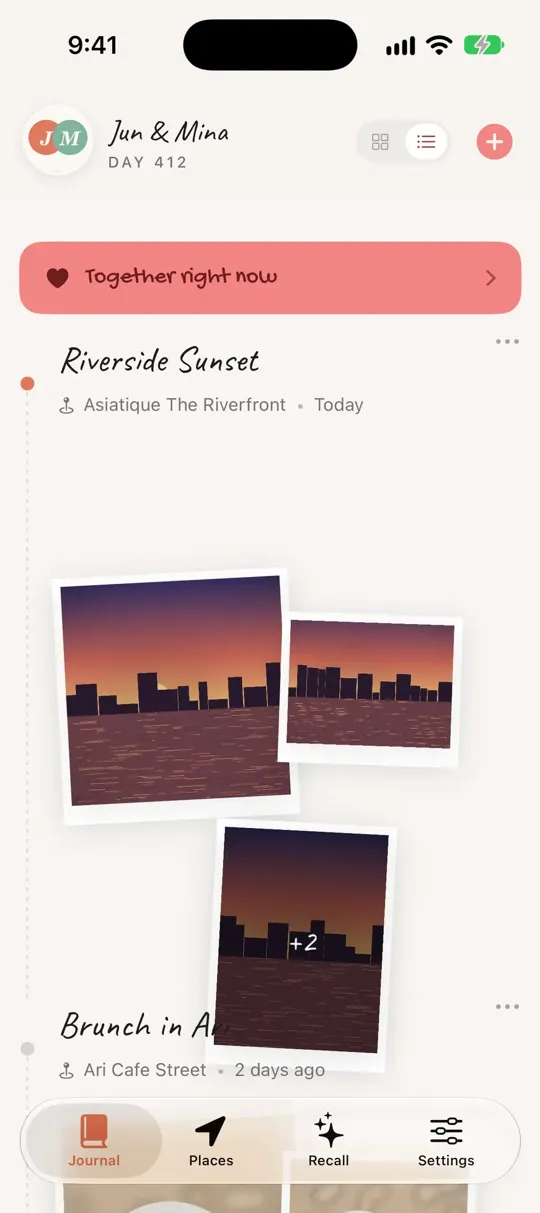
First instruction to AI · 21 Mar 2026When a couple is in roughly the same place and one of them takes a photo, collect it with the date and location. Can this be done?

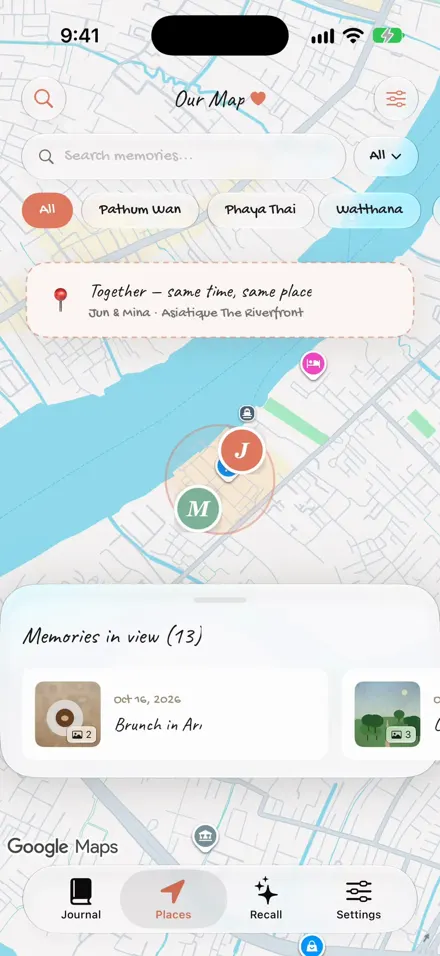
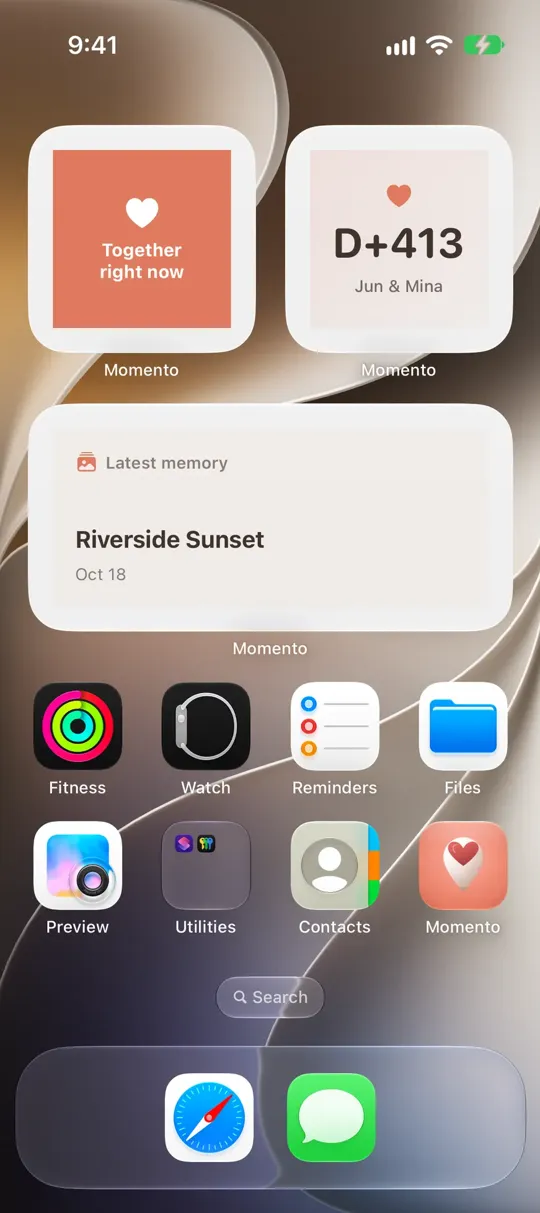
The calendar built twice, in SwiftUI and in Jetpack Compose, from one feature list and one backend. Not ported code: each follows its own platform.
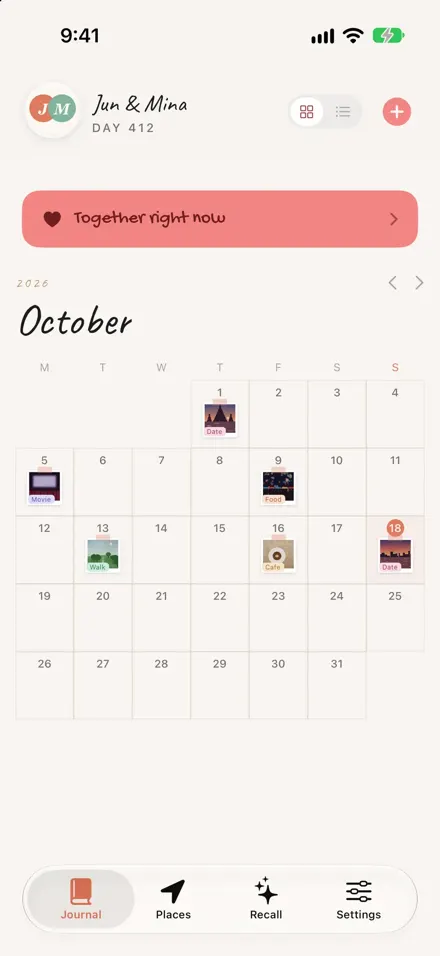
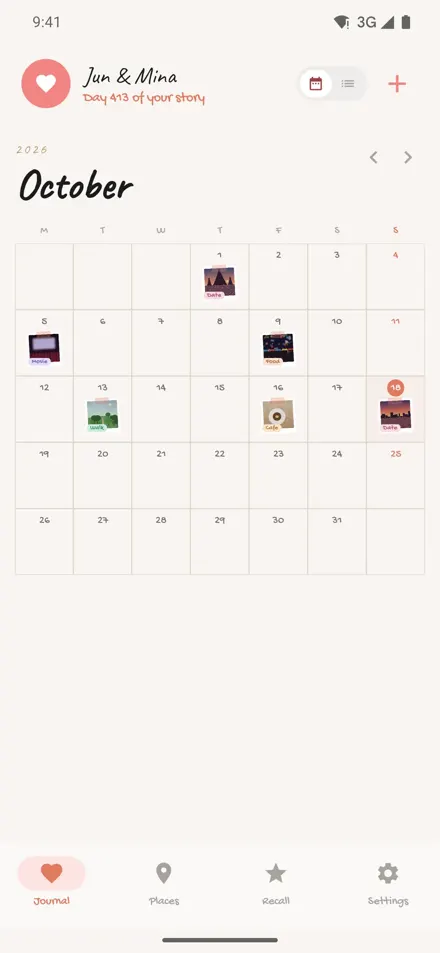
“Don't port iOS code to Android. Follow each platform's conventions.” Two native apps on one backend.
Server dates arrived in mixed formats and broke iOS decoding. Comparing locations on the phone drained the battery.
Directed a decoder that accepts several formats, and moved location matching to the server as a SQL function.
A live commerce app with real payments at mechoose.store. Shoppers send one photo and a stylist flow picks the outfit.
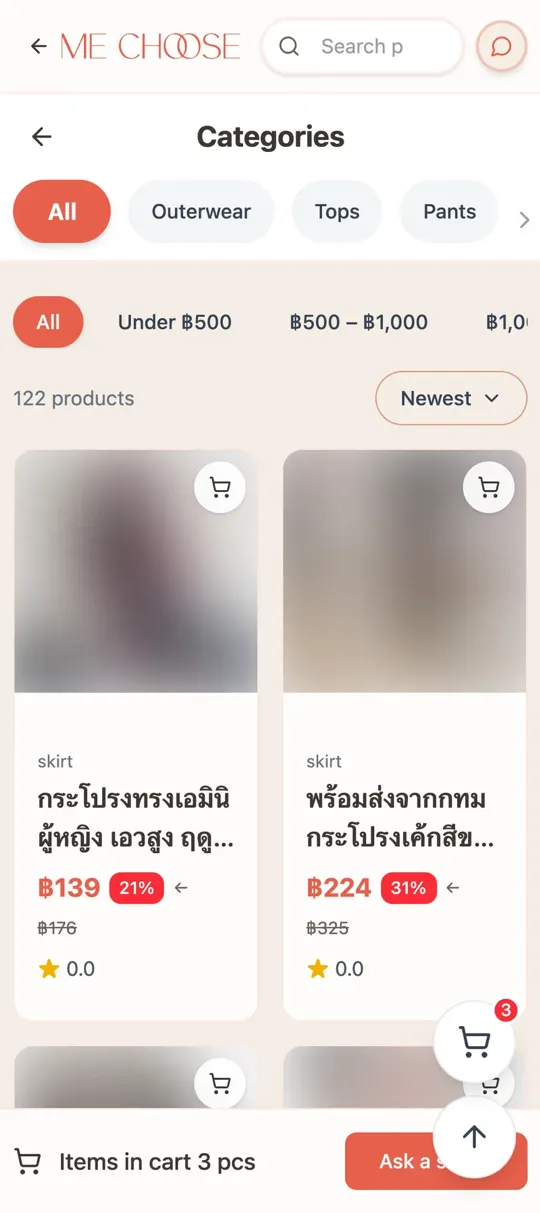
First instruction to AI · 3 Feb 2026I have no coding background, so I'm building the commerce app with Figma Make and GPT. My Page keeps erroring and I'm stuck. Can you help?
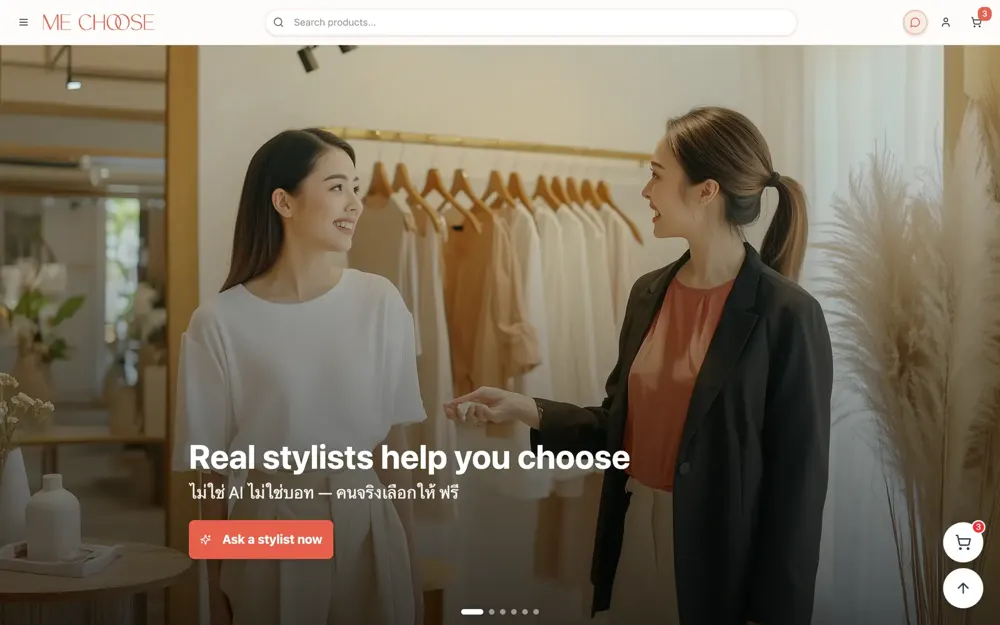
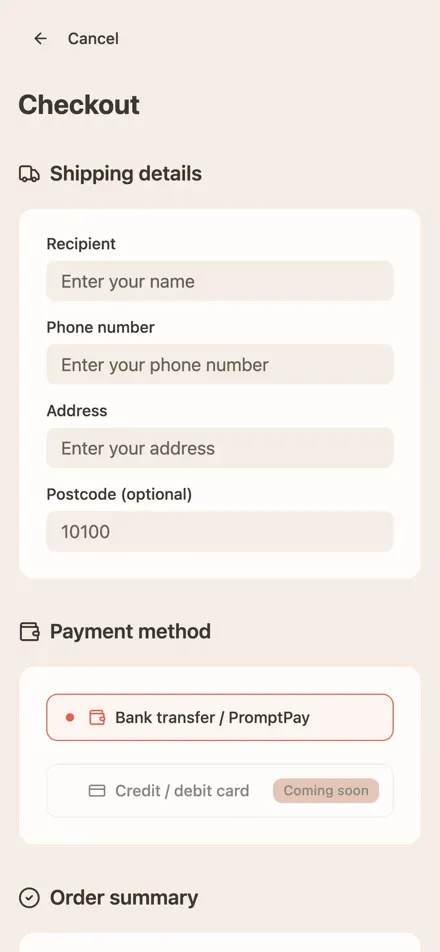
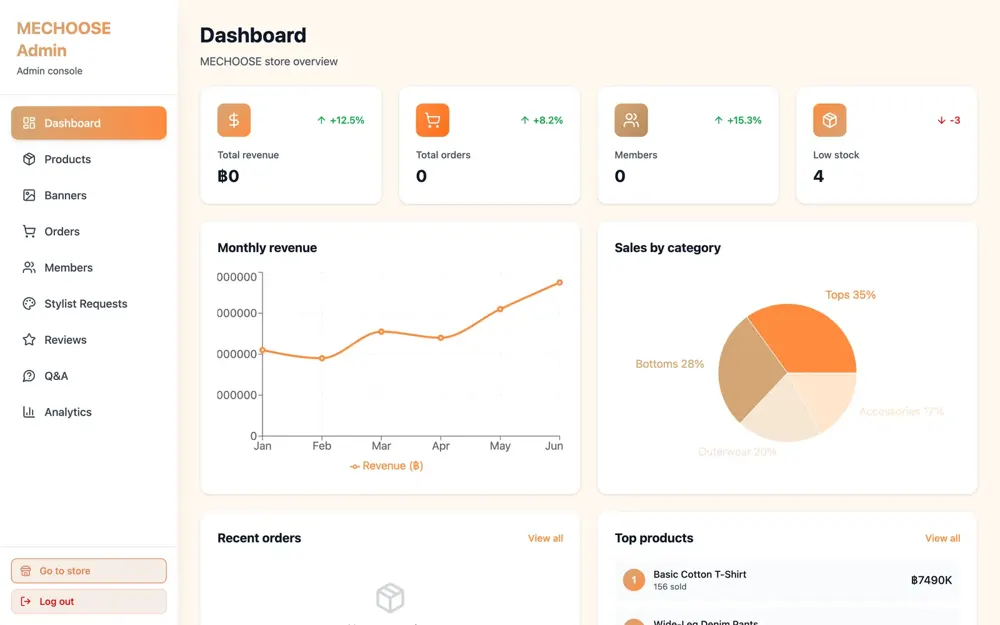
Missing delivery info shouldn't block checkout. Collect it at app entry instead.
Interrupted payments left orders stranded, and hand-typed addresses caused failed deliveries.
A resume-payment flow from a banner and My Page, plus address autocomplete that fills the postal code.
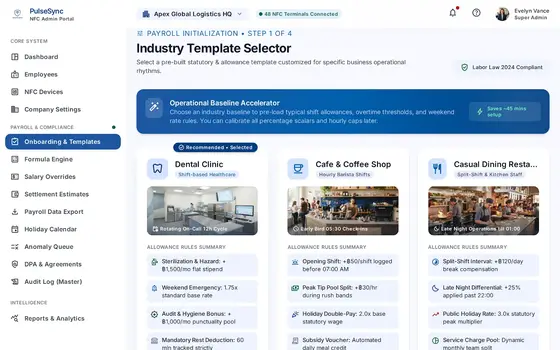
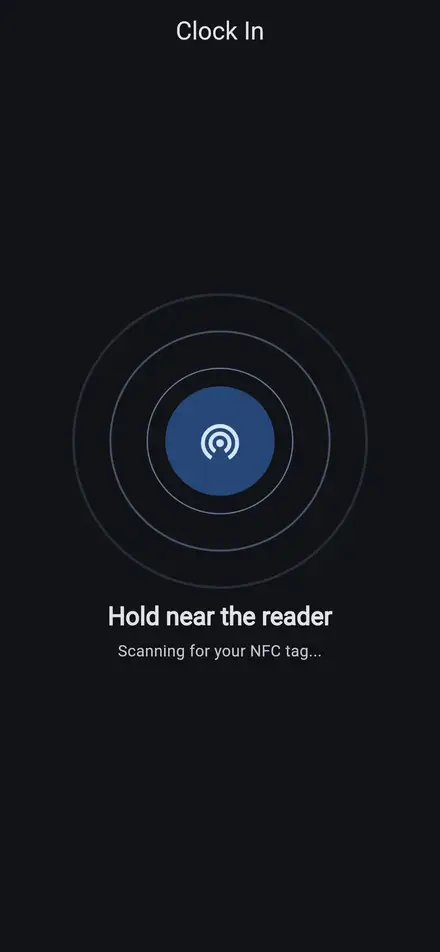
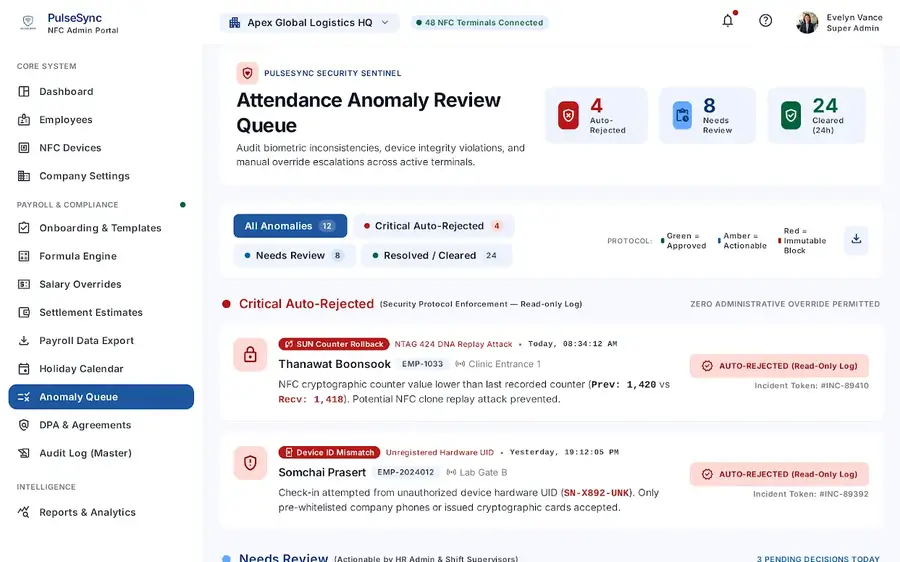
NFC and GPS attendance with automatic payroll for small Thai businesses. Designed in depth first; the core logic is running.
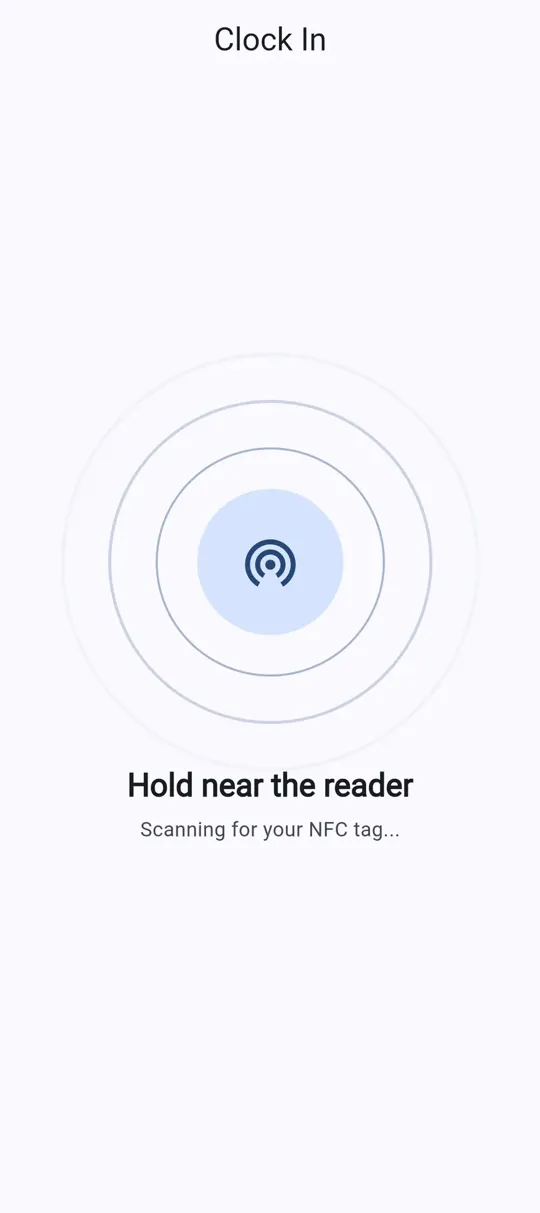
First instruction to AI · 8 Sep 2026Let's finish the full screen and feature design first for an NFC-tag and server attendance app. Flutter does both iOS and Android, right?
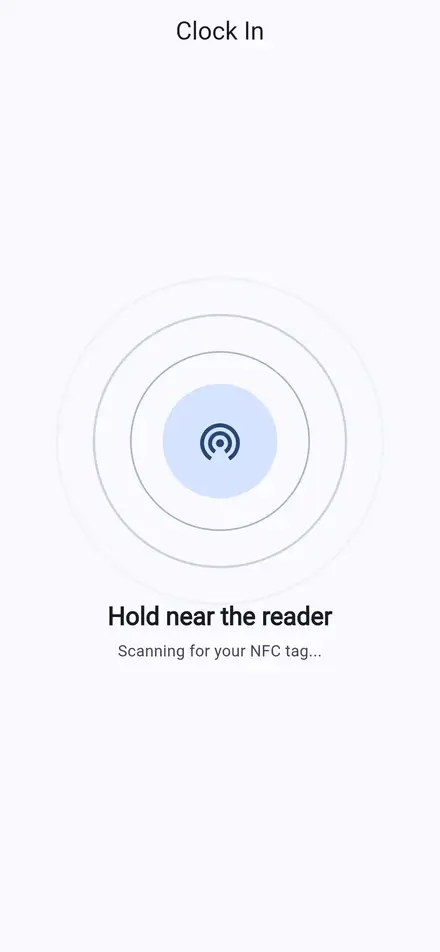
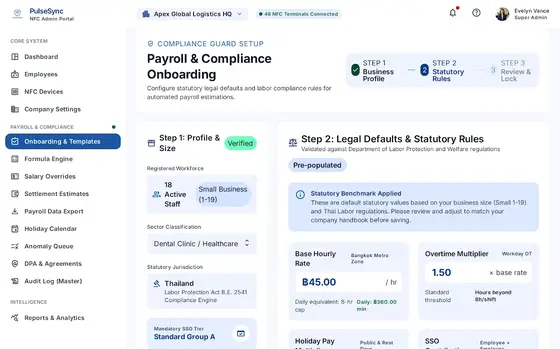
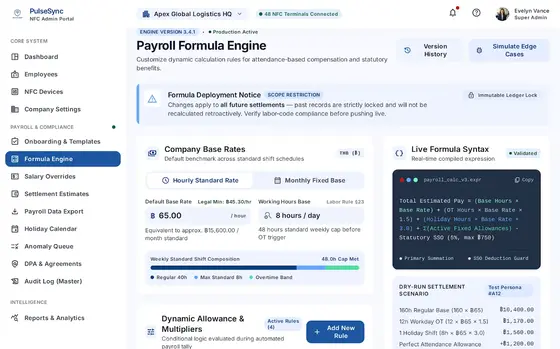
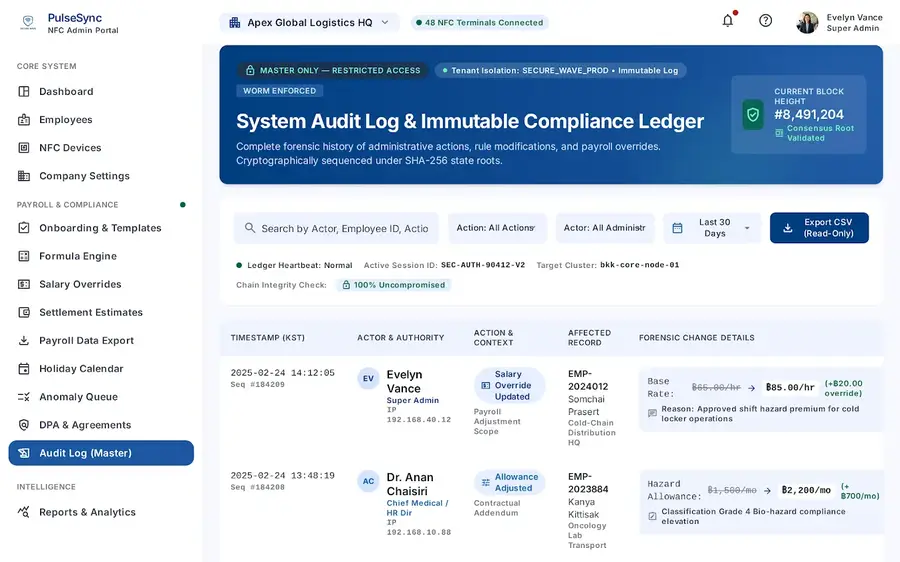
Payroll formulas are settings, not code: nine variables an admin edits on screen.
Generated code fell short of the bar: five of nine variables, an NFC API mismatch and hardcoded GPS coordinates.
Kept the schema and the design, had the code rewritten from scratch, and confirmed static analysis reported no issues.
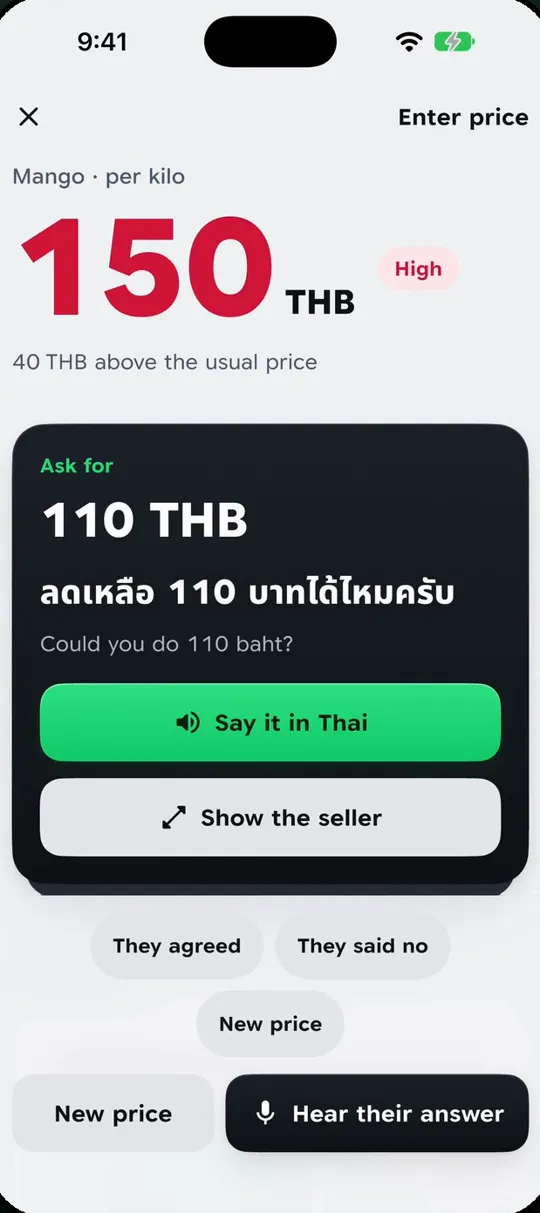
A travel money helper from a two-day contest. It reads ATM fees and helps you haggle in Thai. Released on GitHub, as an APK and on TestFlight.
Rule for the AI team · contest dayIf there are several sessions, make one the PM to manage order, and report status to me right away.After that I talked only to the PM session, which relayed every session's report in Korean.
The plan, the bar and the house rules went into one board file. Every session read it first, and from then on I only talked to the PM.
Eight working sessions, each in its own lane, plus 10+ Codex runs on the side.
Low-risk lanes switched to SonnetSessions report to the PM, and the PM tells me right away. That left me free to pull screen designs instead of watching terminals.
A GitHub release, an Android APK and a TestFlight build, all submitted inside the contest window.
0 false positives · 51 receiptsAuth reported done. The UI lead gets the next build.
Release is waiting for the current build to finish.
Pitch posted a first draft of the demo order.
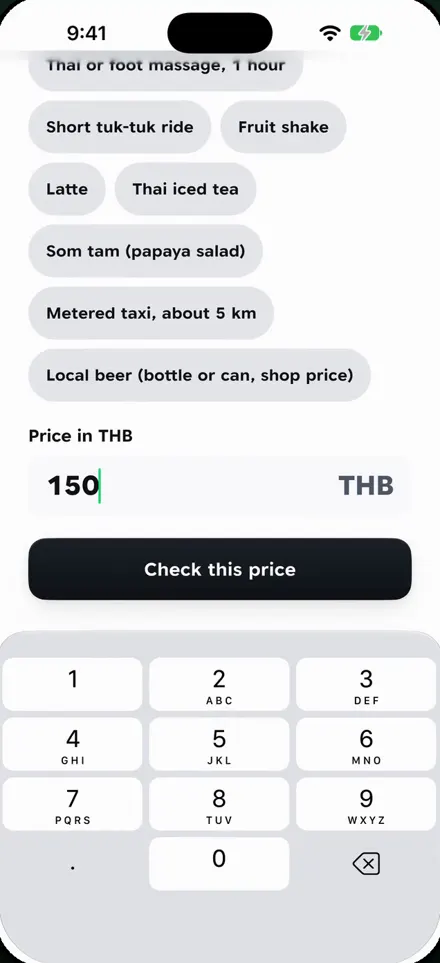
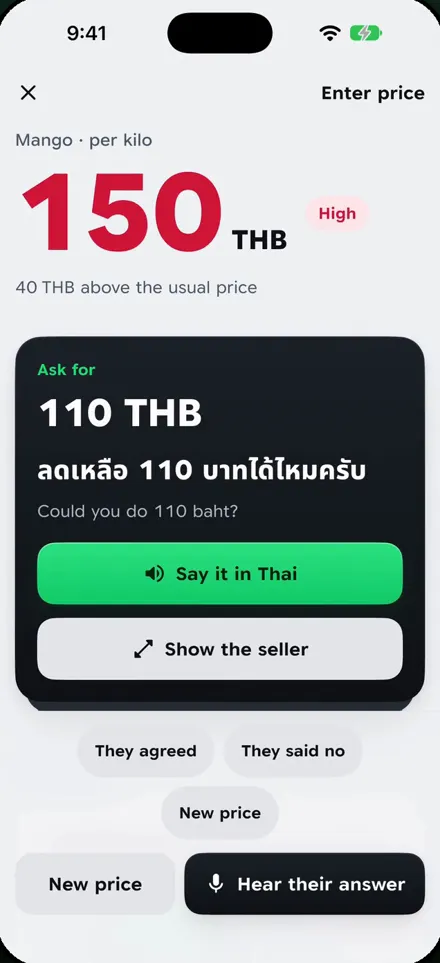
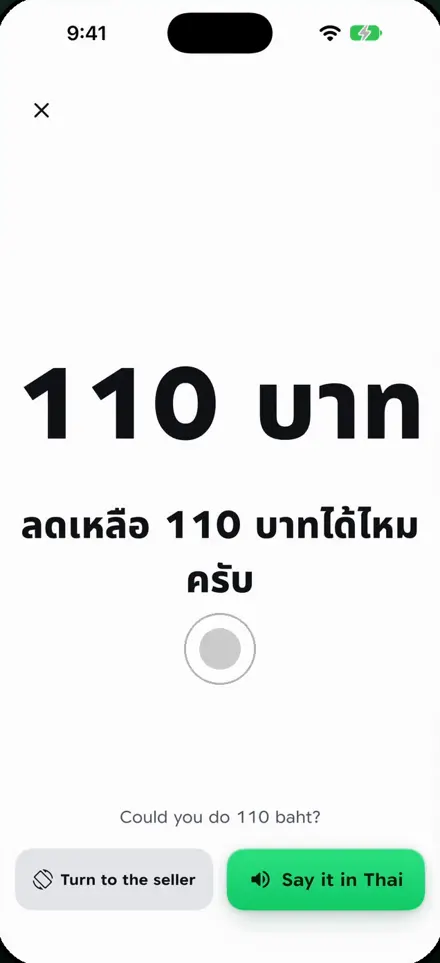
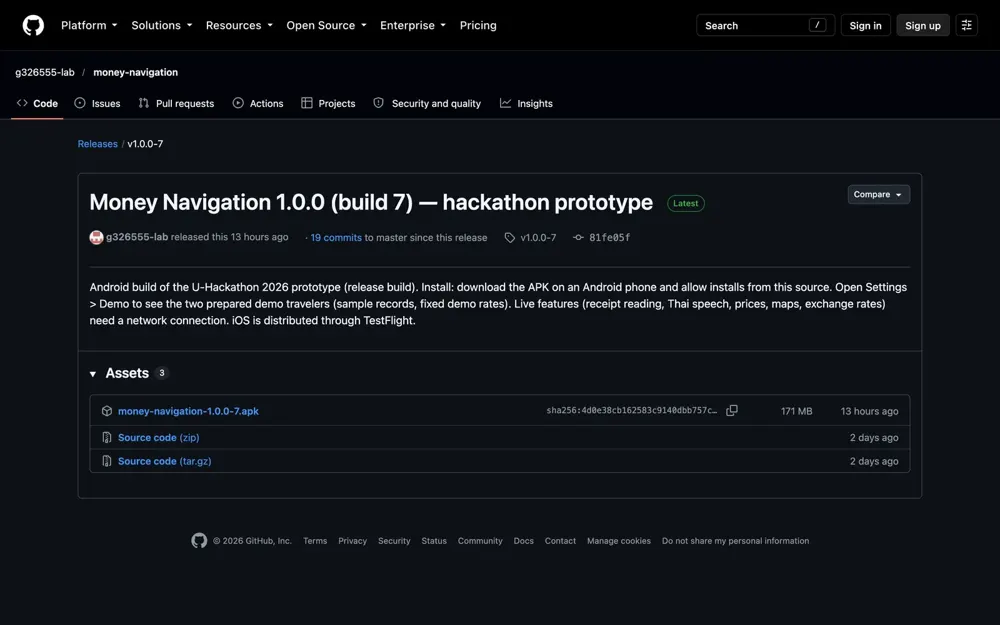
“Give it depth like a big-company app. It must not look AI-made.”
The ATM scan looked right on the phone, but could it be faking the demo numbers?
Re-ran it on photos with different numbers and fixed column alignment: 0 false positives across 51 real receipts.
A horror escape-room game taken from idea to store build, localized into four languages.
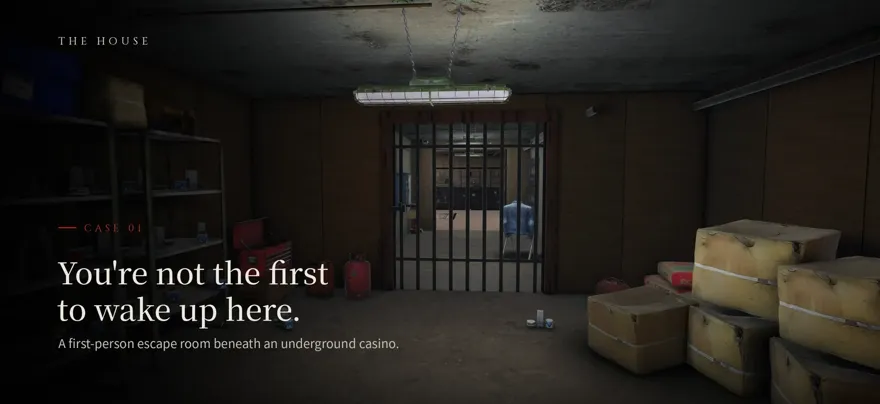
First instruction to AI · 20 Sep 2026I'm thinking of making an escape-room game. Can I do this alone?

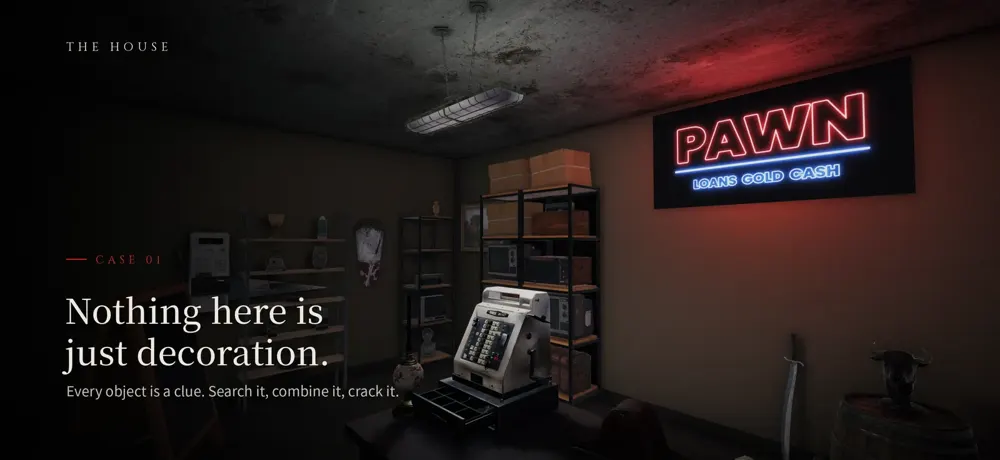
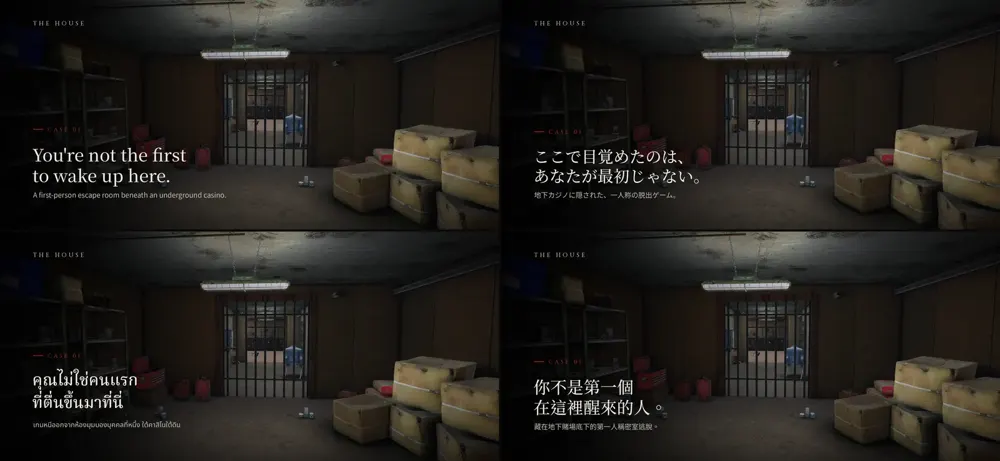
Joystick plus drag-to-look in real-time 3D, not fixed panoramas. English first, $1 per scenario.
Bundling every asset made the install too large, and hand-built versions kept missing settings.
Checked the official docs, then directed on-demand asset delivery and a scripted build so every version ships the same way.
A video service on the Cloudflare edge: ten languages with AI-translated titles, and crypto subscriptions verified on-chain.
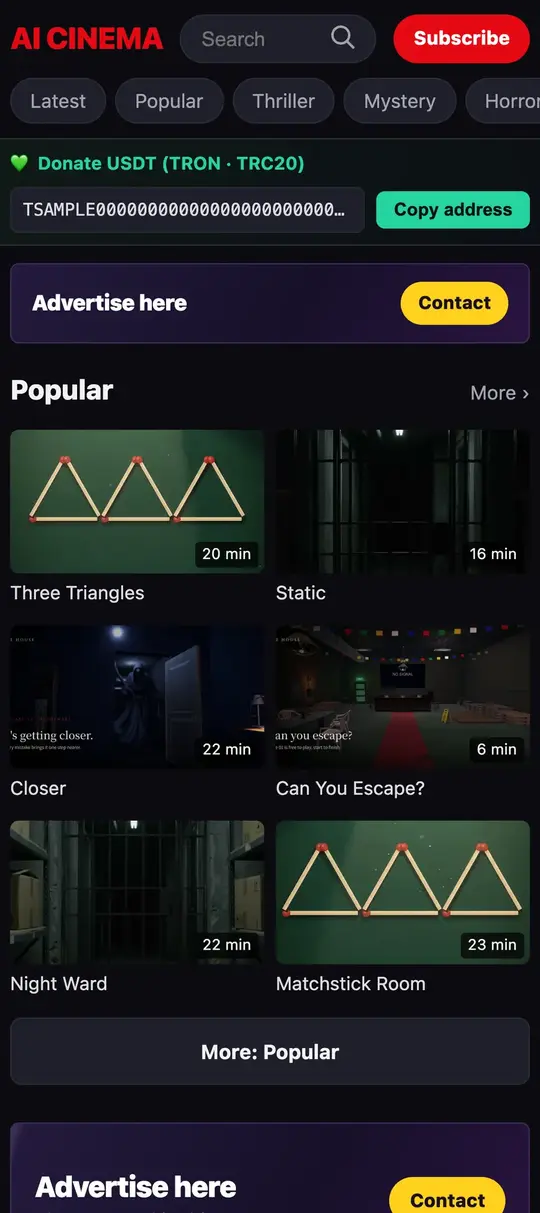
The bar I setPayments must be verified, not trusted. A subscription starts only after the payment is confirmed independently.The live address and real content stay private on purpose. These screens are the real UI, run locally with sample data.
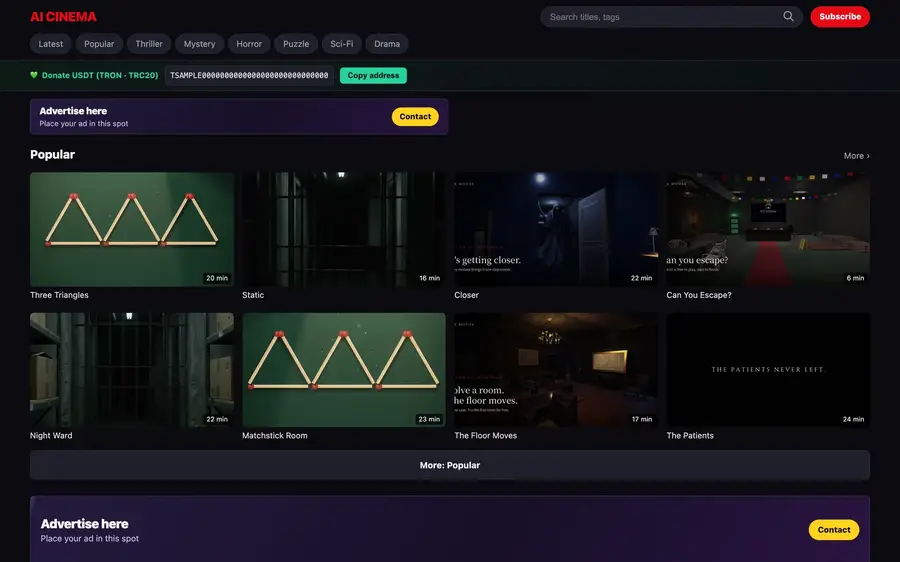
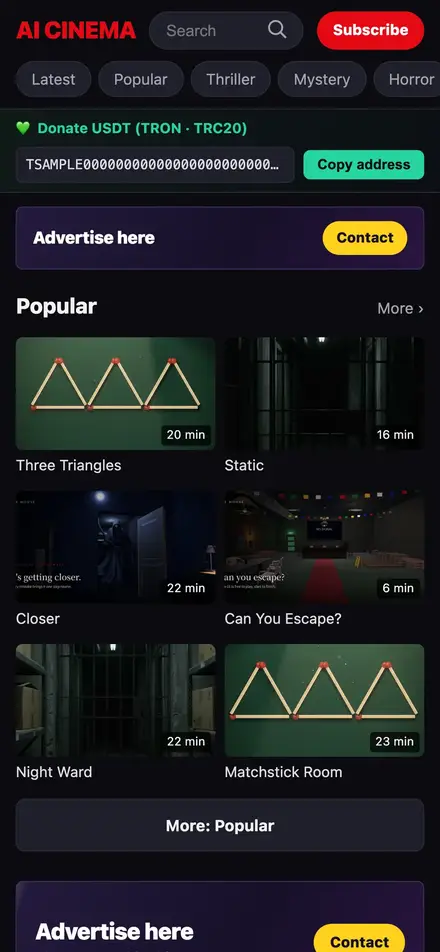
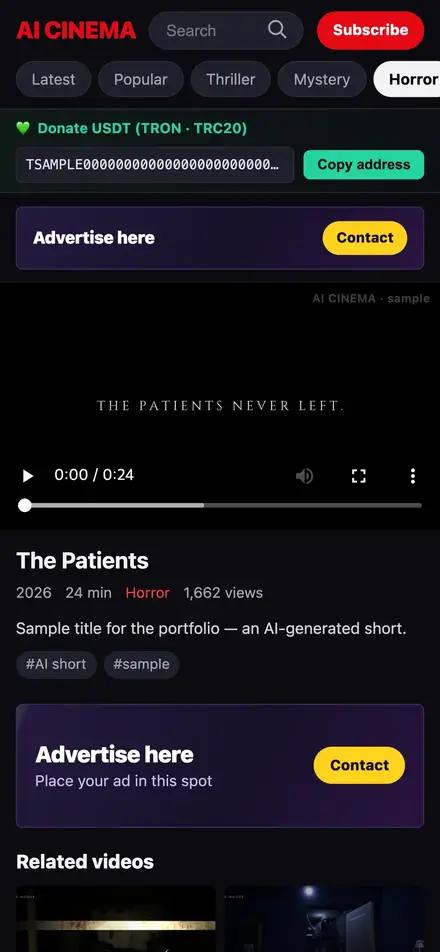
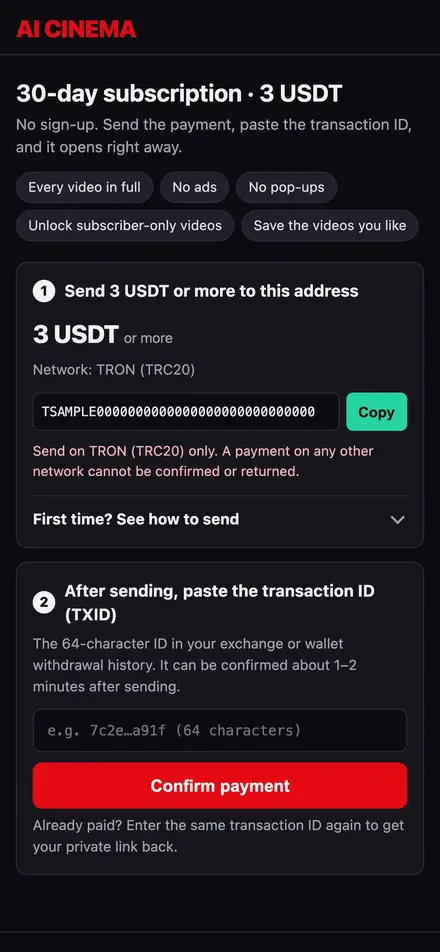
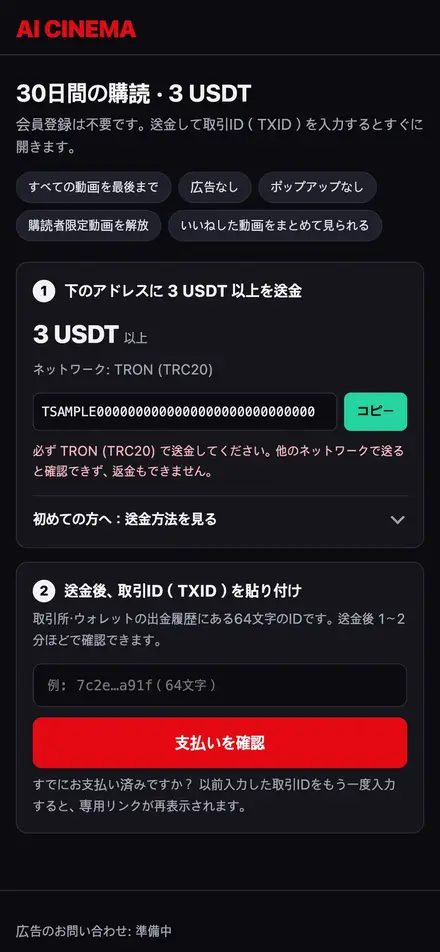
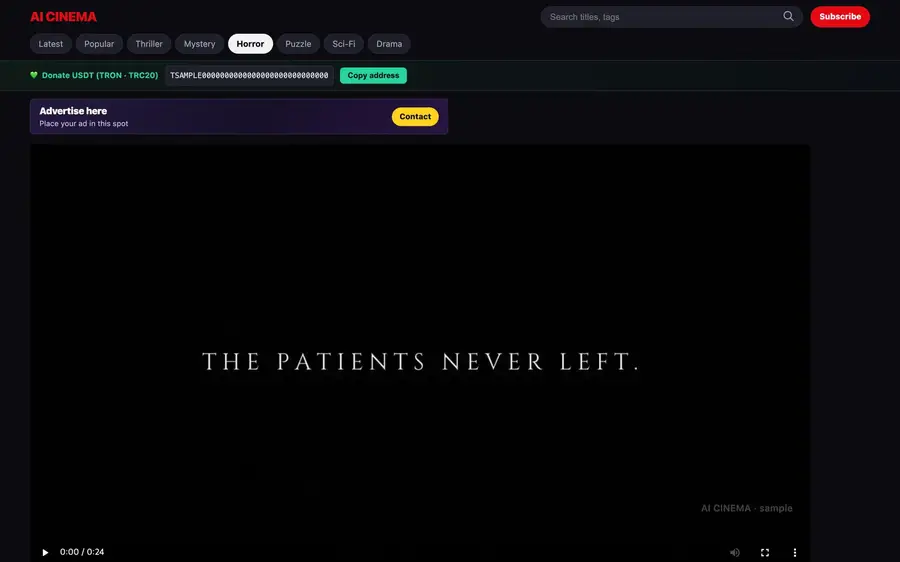
No servers at all: compute, database, media, rate limits and AI translation all on the edge.
About seventy versions in three weeks made it easy to lose track of why something changed.
A running README explains every version, and one idempotent script makes each release a single command.
The seven steps I repeat on every project, from the first rules document to a launch. Steps 3 to 6 run as a loop: instruct, check, correct.
Quality starts in a rules document: how we work, the don'ts and the bar to verify against. Every session reads it before it starts.
Designing and building at once gets tangled, so every screen and the data come first. Then they get wired in code.
Not “it's done”. I run it on a phone or simulator and confirm it with my own eyes.
I set quality by reference, big-company apps and tone, and let AI choose how to build it.
I distrust plausible success (“this isn't hardcoded, right?”) and pivot as soon as something stalls.
AI's “I checked” is not proof. I re-confirm with the real code, the build, or different inputs.
Context lives in handover docs, and on multi-session work one session is the PM.
Not every build is a flagship. These are the experiments, tools and content work around the main products.
A camera-based AI trainer: on-device pose detection, no upload. I pivoted to Money Navigation at the hackathon.
Scattered notes and Telegram messages gathered, summarized by an LLM, with same-day reminders. Deployed on Vercel.
Crypto price and kimchi-premium alerts to Telegram. Used for information only, never auto-trading.
Scenes generated with Google Flow (Veo 3.1) and edited in CapCut. Video content, not an app.
Posting automation with rules, drafts and logs as documents. AI drafts, I approve and publish.
Five projects' code checked against one rubric and compared with the same thing built by a two-to-three person team. Every gap comes with what I'm doing about it.
Speed, scope, localization and shipping are ahead. Automated tests, code structure and server-side hardening are behind, and I'm fixing them in order, money-critical parts first.
Before building with AI I ran a web agency and a medical-tourism platform. The job was the same as now: turn a client's problem into a spec, then direct the people who build it.
I met clients, defined requirements and drew every screen and feature into specs, then directed the dev team on logic and reviewed what came back. I did not write the code.

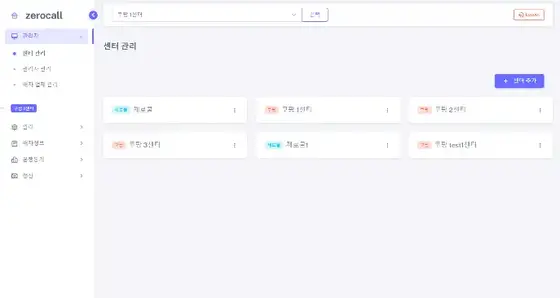
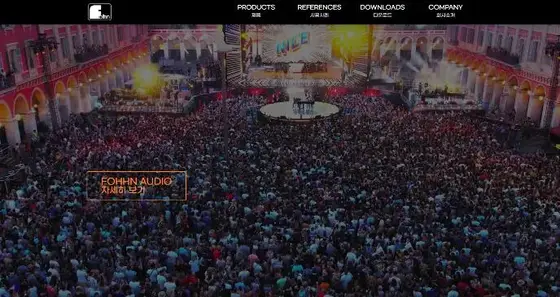
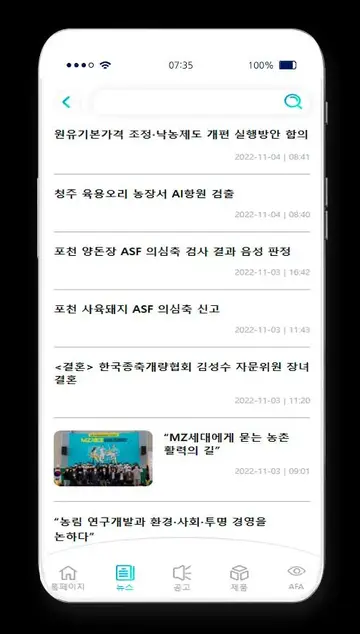


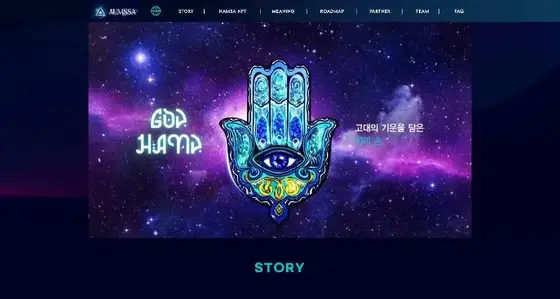
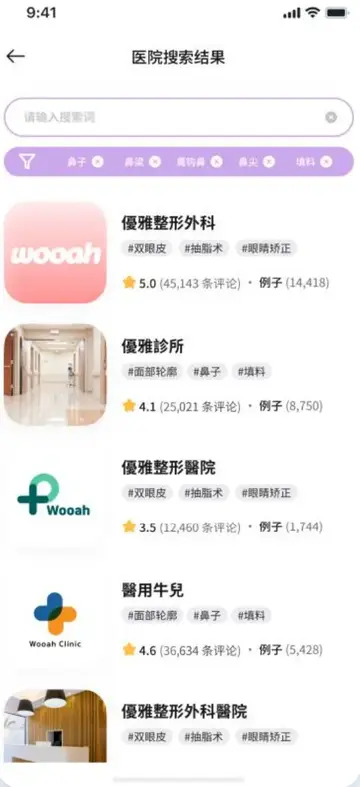
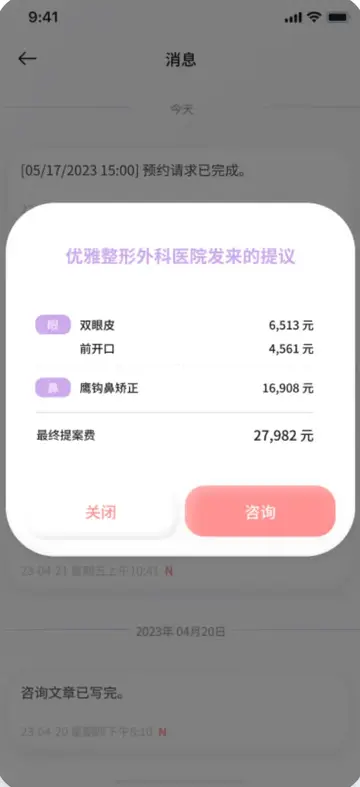
A platform matching international patients with Korean cosmetic clinics, set up to handle medical visas. It solved visas and trust for patients and no-shows for clinics.



Pick a kind of product. Each one opens the build that shows I can do it.
A full store with real card payments, refunds, an admin panel and a stylist app, live on the web and both app stores.
The same app built natively twice, following each platform's conventions, on one backend.
A first-person escape room, from zero game-engine experience to a store build in about four weeks.
A travel money helper from a 48-hour hackathon, run as one PM session and eight AI sessions.
Attendance with NFC and GPS, payroll formulas as settings, and suspicious check-ins sent to admin review.
Video streaming with no servers to run: ten languages and crypto subscriptions verified on-chain.
Twenty-plus client builds, each planned from the first meeting to a spec an eighteen-person team built to.
Real payments, refunds and admin. Web live in about a week.
An escape room from zero engine experience to a store build.
Two native apps on one backend.
Attendance you can't fake, payroll as settings.
Serverless streaming, ten languages, on-chain subscriptions.
Public release from a two-day contest.
20+ client projects planned to spec.
Medical-tourism platform, 150+ clinics.
jun326555@gmail.com